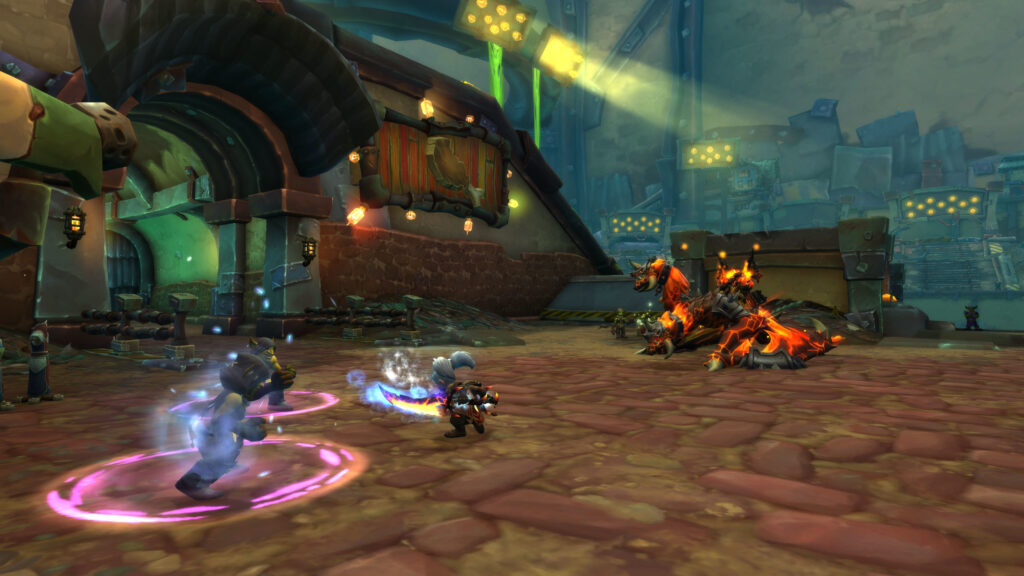
Dungeon routes are influenced less by boss mechanics and more by how trash packs are positioned throughout the map. Enemy density, patrol paths, and ability overlap determine pacing, risk, and efficiency. As a result, successful routing hinges on understanding trash layout rather than focusing solely on boss encounters.
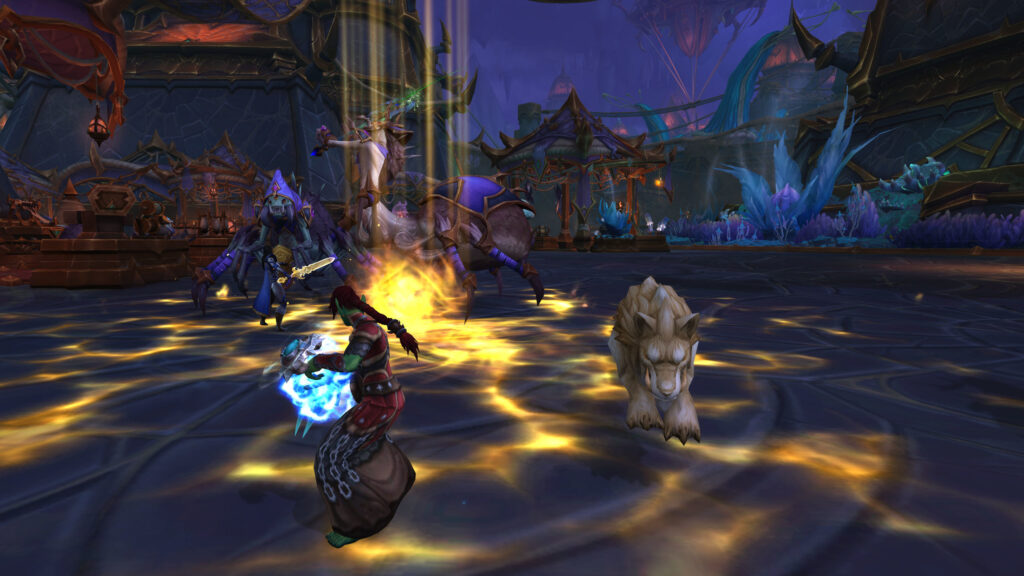
Trash Density Defines Safe Pathing
Closely packed enemies restrict movement options and limit pull flexibility. High-density areas force careful planning to avoid accidental engagements or overwhelming damage spikes. Sparse sections, by contrast, allow creative routing and controlled pacing.
Ability Overlap Drives Pull Decisions
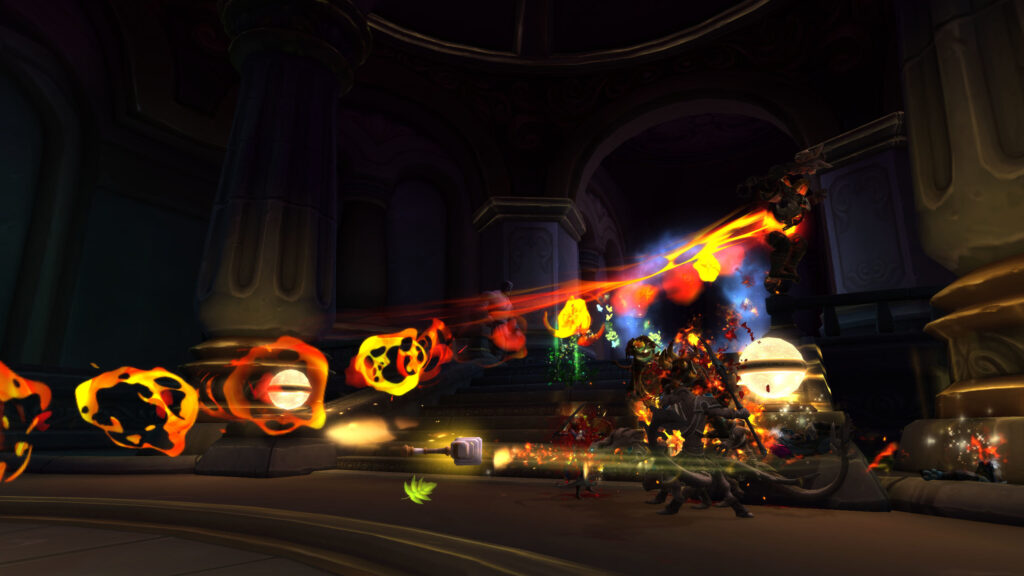
Trash packs often contain abilities that stack dangerously when combined. Interrupt requirements, area denial, and burst damage dictate which packs can be merged safely. Route planning prioritizes minimizing overlapping threats even if it means taking longer paths.
Bosses Serve as Checkpoints, Not Route Drivers
While bosses test execution, they rarely dictate dungeon flow. Trash placement determines where cooldowns are spent and how momentum is maintained between bosses. Efficient routes aim to arrive at bosses with resources aligned rather than simply reaching them quickly.
| Trash Element | Routing Impact | Planning Focus |
|---|---|---|
| Pack density | Pull size limits | Safe spacing |
| Patrol paths | Timing windows | Engagement order |
| Ability overlap | Risk escalation | Interrupt coverage |
| Trash count requirements | Route length | Percent efficiency |
Routes Evolve With Trash Mastery
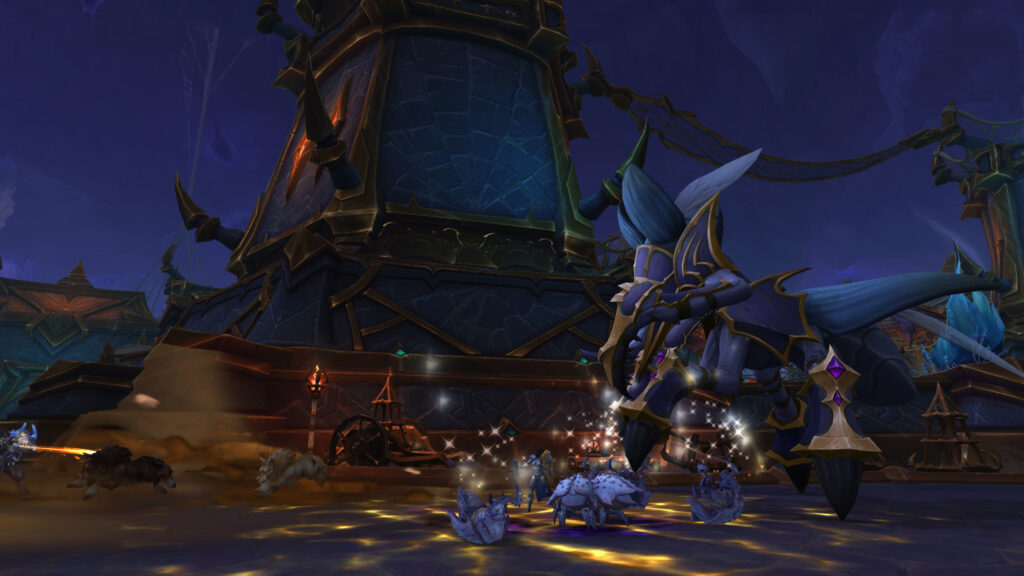
As groups learn which packs are dangerous and which are manageable, routes evolve naturally. Adjustments prioritize consistency and safety over theoretical speed. Mastery of trash placement separates smooth runs from chaotic ones.
Conclusion
Dungeon trash placement shapes route planning more than boss mechanics. By dictating pacing, risk, and resource usage, trash layouts become the true architects of dungeon flow. Groups that master trash positioning gain control over the entire run.