
From the moment players log in for the first time, the world map becomes one of their most important tools. It guides exploration, reveals objectives, and frames the scale of Azeroth. Yet behind its simple surface lies a fascinating evolution shaped by technical innovation, storytelling priorities, and shifting player expectations. Over twenty years, WoW’s map has changed from a static parchment-style interface into a layered, dynamic navigation system that reflects Blizzard’s growing understanding of how players move, think, and interact with space.
This article explores the design philosophies behind the world map’s evolution and shows how each era of WoW reveals a different vision of how the game wants players to engage with the world.
The Classic Map: Discovery Through Absence
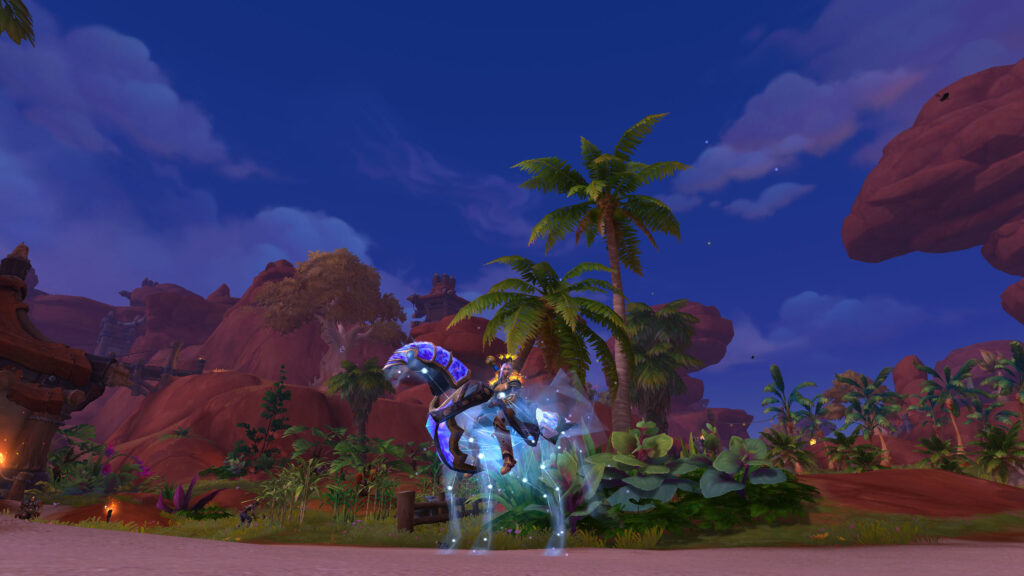
In Classic WoW, the world map was intentionally vague. Zones were marked, but internal details were sparse. Roads faded into watercolor brushstrokes. Quest markers didn’t exist. Points of interest were left for players to discover naturally. This approach encouraged social interaction—players asked for directions, explored blindly, or learned from guildmates.
The map in this era was less a navigation tool and more an atmospheric piece of worldbuilding that emphasized mystery and scale.
The Burning Crusade and Wrath: Structure and Clarity
The Burning Crusade expanded the map’s purpose. Outland introduced floating zones, fragmented terrain, and complex quest hubs that required clearer signposting. Wrath of the Lich King improved this approach by adding detailed topography and more precise locations, especially in mountainous or dangerous zones like Storm Peaks and Icecrown.
This era shifted the map philosophy from discovery to structured progression—clear paths, well-defined hub layouts, and more predictable zone flow.
The Rise of Quest Tracking in Cataclysm
Cataclysm marked a dramatic shift. Quest markers, objectives, and highlighted areas became standard. The game embraced accessibility, reducing friction for new players. The world map evolved into a mission planner, giving players a sense of order amidst chaos. This mirrored Blizzard’s broader design shift toward guided experiences and streamlined leveling paths.
For many, this era set the foundation of what the modern map would become.
| Era | Map Function | Design Philosophy |
|---|---|---|
| Classic | High mystery, low detail | Encourage exploration |
| Burning Crusade | Clearer structure | Support fragmented zones |
| Wrath | High terrain accuracy | Reinforce narrative scale |
| Cataclysm | Quest tracking & markers | Accessibility focus |
| Modern Era | Layered, dynamic, interactive | Player agency & precision |
Pandaria and Warlords: Maps as Environmental Storytelling
Pandaria brought warmth and personality to the map. Hand-drawn textures reflected cultural aesthetics. Zones appeared more organic and expressive. Warlords continued this approach with a colder, harsher map reflecting the brutal landscapes of Draenor. The map became a visual extension of the expansion’s tone, showing players the identity of a land before they ever stepped into it.
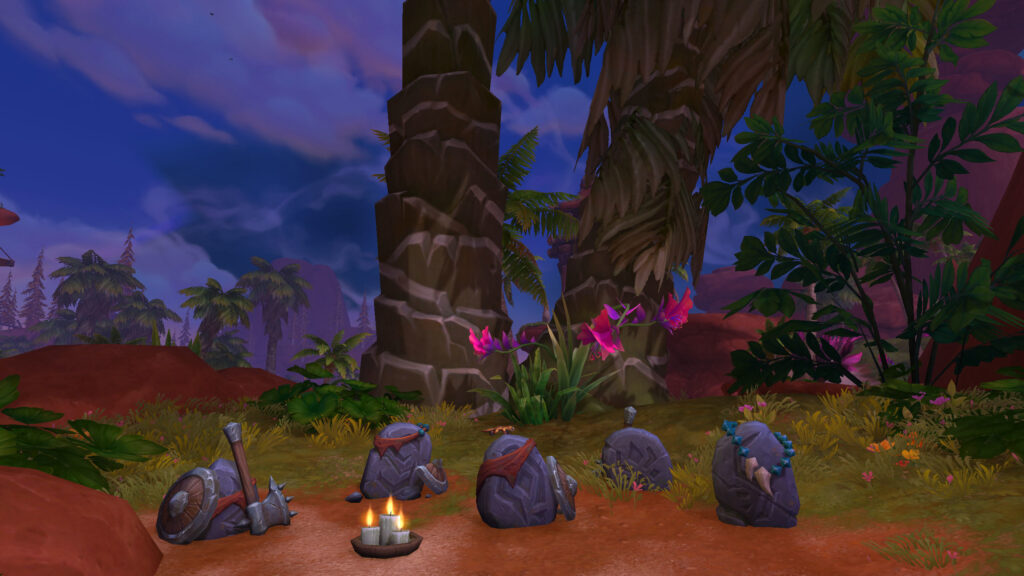
This era blended functionality with emotion, turning navigation into storytelling.
Legion and Battle for Azeroth: Deep Layering and World Quests
The introduction of world quests revolutionized map usage. No longer merely a leveling companion, the map became a daily activity planner. Layers of information—rewards, emissaries, rare spawns, events—were displayed dynamically. This changed how players perceived space: Azeroth became a living schedule of opportunities rather than a static collection of zones.
The map evolved into a strategic overlay that guided routine gameplay.
Shadowlands and the Era of Verticality
Shadowlands introduced zones with extreme verticality—Ardenweald’s layered groves, Revendreth’s towering cliffs, and Bastion’s multilevel terraces. The world map began to struggle with communicating height, leading to increased reliance on minimap cues. This period highlighted the challenges of translating three-dimensional environments into two-dimensional maps.
It pushed Blizzard toward more nuanced approaches in later updates.
Dragonflight and The War Within: Precision and Modern Design
The modern map represents Blizzard’s most refined philosophy: precision, clarity, and player agency. Dragonflight streamlined world quest clutter, added intuitive layering, and improved zone readability. The War Within expanded on this by integrating underground navigation cues and better separation of surface and subterranean routes, especially in Delves and the Earthen regions.
These refinements show Blizzard’s commitment to solving spatial challenges introduced by increasingly complex zone layouts.
How Map Philosophy Shapes Player Behavior
The evolution of the world map directly influences how players move through the world. Maps with limited information encourage exploration and risk-taking. Highly detailed maps support efficiency and goal-driven play. Modern dynamic maps create long-term engagement, prompting players to check ongoing activities, track progress, or plan routes.
Each era cultivated a different playstyle, revealing Blizzard’s evolving priorities.
The Balancing Act of Information Density
One of Blizzard’s biggest challenges is balancing usability with visual overload. Too little information frustrates players; too much becomes noise. Modern design decisions show careful curation—minimizing clutter while ensuring essential information remains accessible. Filters, layered markers, and optional tracking systems reflect Blizzard’s understanding that different players need different levels of handholding.
This adaptability has become essential to the game’s long-term success.
Conclusion
The evolution of WoW’s world map reflects two decades of shifting design philosophy—from mystery to structure, from exploration to efficiency, and from static parchment to dynamic data-rich interface. Each iteration reveals what Blizzard believed players needed at that time. As the world grows more complex, the map continues to evolve, shaping not only navigation but the very rhythm of gameplay.
In many ways, the world map is the silent storyteller of Azeroth, capturing the history of its design and the journey of the players who traverse it.