
Introduction: The Evolution of PvP Seasons
Since World of Warcraft’s launch in 2004, Player versus Player (PvP) combat has played a pivotal role in the game’s identity, offering a dynamic and competitive experience. Over the years, WoW has hosted numerous PvP seasons, each bringing its own unique meta and strategic shifts. These seasons have not only shaped the way players approach PvP but also introduced new mechanics, class balancing changes, and competitive dynamics. In this article, we will explore the history of PvP seasons in WoW, how the meta has evolved, and the ongoing impact of these changes on the game’s competitive PvP scene.
The Early PvP Seasons: A New Era of Competition
When WoW first introduced PvP seasons with the launch of the Arena system in The Burning Crusade expansion, it marked a turning point for competitive PvP in the game. Before this, players engaged in world PvP or battlegrounds, but Arena brought a more structured and competitive experience. The first few seasons were groundbreaking, as they established the foundation for how PvP would be structured in future expansions.
The Origins of Arena Seasons
- Season 1: The Beginning of Competitive PvP – With the launch of The Burning Crusade, the Arena system introduced structured PvP matches where teams of 2, 3, or 5 players could compete against each other in a ranked system. This created a new level of competitiveness in WoW and laid the groundwork for future PvP seasons.
- Class Balancing and Meta Shifts – In Season 1, the meta was highly defined by the dominance of certain classes like Rogues and Paladins, creating imbalances in team compositions. This was one of the first times Blizzard had to deal with class imbalance on such a large scale.
- Season 2: The Rise of the Warriors – In Season 2, Warriors began to rise in prominence, aided by buffs to their survivability and damage output. The meta began to shift as teams experimented with different compositions to counter the dominance of certain classes.
Evolution of the Meta: How PvP Seasons Changed the Game

As WoW’s expansions progressed, so did the complexity of PvP seasons. The meta was continually reshaped by the introduction of new abilities, class changes, and balancing tweaks. With each season, certain classes would rise to prominence, while others would fall behind, forcing players to constantly adapt their strategies.
Key Moments in the Evolution of the Meta
- The Wrath of the Lich King Meta – With the introduction of the Death Knight class in Wrath of the Lich King, a new era of PvP began. Death Knights quickly became one of the most dominant forces in PvP, often being seen as overpowered due to their high survivability and burst damage. This created a shift in team compositions and required significant adjustments from Blizzard.
- The Rise of Cleave Compositions – In later seasons, particularly in Cataclysm, the “cleave” composition (a strategy focusing on high burst AoE damage) began to dominate. Compositions involving classes like Warriors, Enhancement Shamans, and Retribution Paladins became incredibly effective in the Arena, changing the dynamics of many fights.
- The Introduction of the Monk Class – With the release of Mists of Pandaria, the Monk class was introduced, and it quickly became a versatile and powerful force in PvP. Monks brought new mechanics to the table, including strong healing and utility, and their agility and mobility made them a significant factor in the PvP meta.
The Impact of Balance Changes: A Constant Tug-of-War
One of the most notable aspects of PvP seasons in WoW has been the constant balancing act between Blizzard’s developers and the players. Each season, Blizzard would make adjustments to class abilities, PvP talent trees, and itemization to address perceived imbalances. These balance changes were often met with resistance from the player base, especially when certain classes were either buffed or nerfed significantly.
Key Balance Changes and Their Impact
- The Resto Shaman Buff in Legion – In Legion, Resto Shamans were reworked, becoming a dominant healing class in Arena. Their ability to quickly heal through sustained damage and provide strong utility led to a shift in the healing meta.
- Hunter Nerfs in Battle for Azeroth – In Battle for Azeroth, Hunter classes were significantly nerfed, particularly in terms of their burst damage and utility. This change drastically altered the meta, as Hunters had long been a staple in top-tier Arena teams.
- The Power Creep of the Later Expansions – As the game progressed, later expansions like Shadowlands saw an increase in the power of specific abilities, leading to instances of “power creep” where certain classes could dominate the PvP meta more than others. This led to a push by Blizzard to bring balance back to the game with frequent hotfixes and updates.
The Future of PvP Seasons: Where Are We Headed?
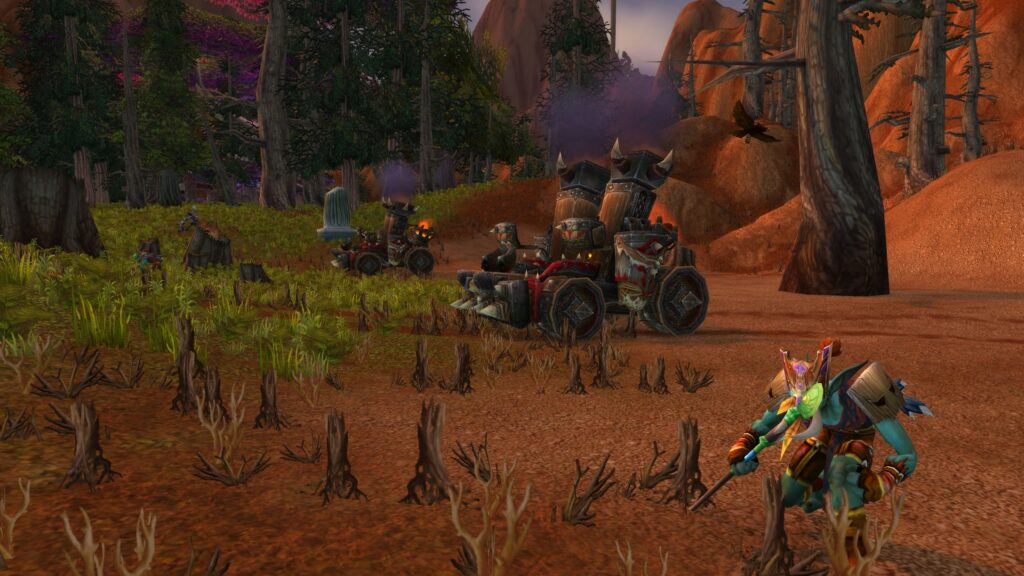
As World of Warcraft continues to evolve, so too does the landscape of PvP seasons. While the core structure of Arena remains unchanged, there are always new challenges on the horizon. With the continued introduction of new expansions and content, it’s likely that the meta will continue to shift, and new strategies will emerge. The role of balance changes and new mechanics will always be crucial in maintaining the competitive integrity of the game’s PvP scene.
Potential Changes to PvP Seasons
- Further Class Reworks – With each expansion, Blizzard has the opportunity to tweak or completely rework classes to ensure a more balanced and competitive environment. New classes, abilities, and PvP talents could drastically change how players approach PvP.
- The Emergence of New PvP Modes – The success of Mythic+ dungeons and other content in WoW could inspire new competitive PvP modes or formats, adding even more layers of depth to the game’s PvP offerings.
Conclusion: A Legacy of Competitive Excellence
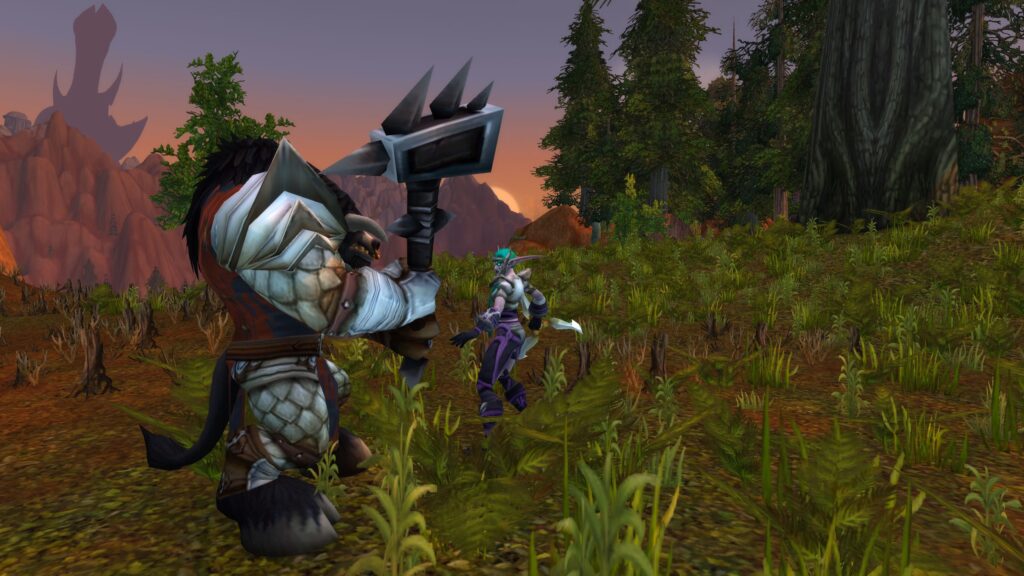
The history of PvP seasons in WoW is rich with change, evolution, and intense competition. From the early days of imbalanced classes to the complex and dynamic metas of today, WoW’s PvP seasons have shaped the game into the competitive juggernaut it is today. As long as players continue to test their skills in the arena, the PvP meta will remain one of the most exciting and unpredictable elements of World of Warcraft.
Home