Introduction: The Drama-Fueled World of Guilds
World of Warcraft is a massive online multiplayer game that brings together thousands of players, each with their own goals, personalities, and playstyles. While many players band together to accomplish in-game objectives, one of the most consistent and timeless aspects of WoW has been the drama that unfolds within guilds. Whether it’s disagreements over loot distribution, leadership conflicts, or personalities clashing, guild drama is as inevitable as the next expansion. In this article, we’ll explore why guild drama will never die in WoW, and what keeps it alive in the community.
1. Guilds Are Microcosms of Real-Life Communities
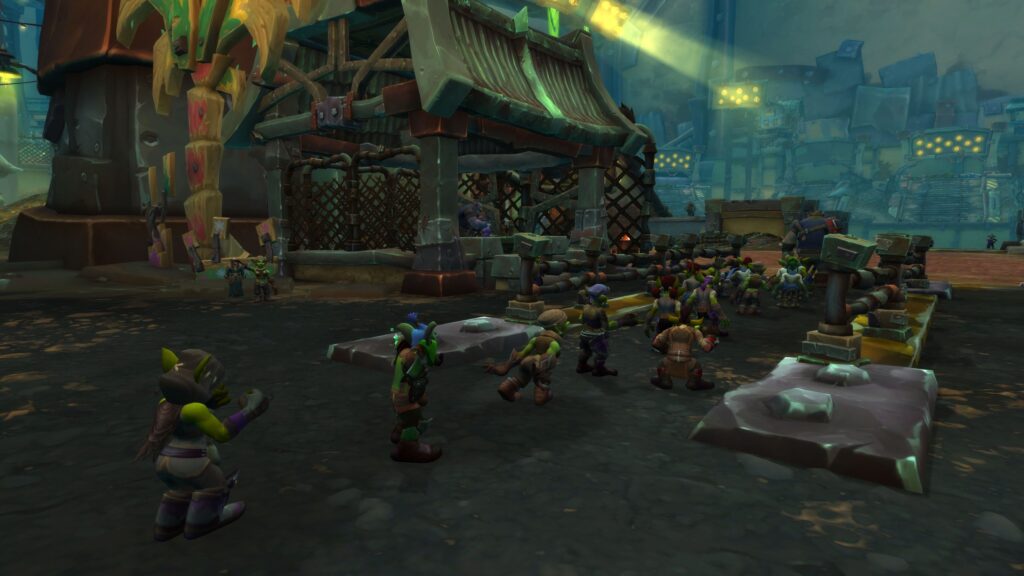
Guilds are, at their core, communities formed around a common interest—playing World of Warcraft. However, like any community, guilds are made up of individuals with different goals, backgrounds, and temperaments. This diversity creates the perfect breeding ground for drama. When people with different playstyles and expectations are forced to work together, conflicts are bound to arise. This real-world parallel is one of the main reasons why guild drama is such a persistent feature of WoW.
Why Guilds Are a Hotbed for Drama
- Conflicting Goals – Players join guilds for a variety of reasons, whether it’s to raid, PvP, or just socialize. When these goals don’t align, drama often ensues.
- Strong Personalities – Online communities tend to attract strong personalities, which can lead to disagreements over leadership, loot, and in-game decisions.
2. The Emotional Investment in Guilds
Guilds in World of Warcraft are often more than just places to gather and complete content—they become a part of players’ in-game identities. Many players invest significant time and effort into their guilds, forming lasting friendships or rivalries. This emotional investment can amplify conflicts, as members feel personally affected by decisions, especially those that seem unfair or disruptive to the group dynamic. This deep attachment only fuels the drama, ensuring that it never really fades away.
Why Emotional Investment Drives Drama
- Personal Stakes – When players put time, effort, and emotion into their guilds, every decision feels personal, and disagreements are more intense.
- Expectations of Loyalty – Many players expect loyalty and respect from their guildmates, and when these expectations aren’t met, it can lead to dramatic fallout.
3. The Power Struggles: Leadership and Loot
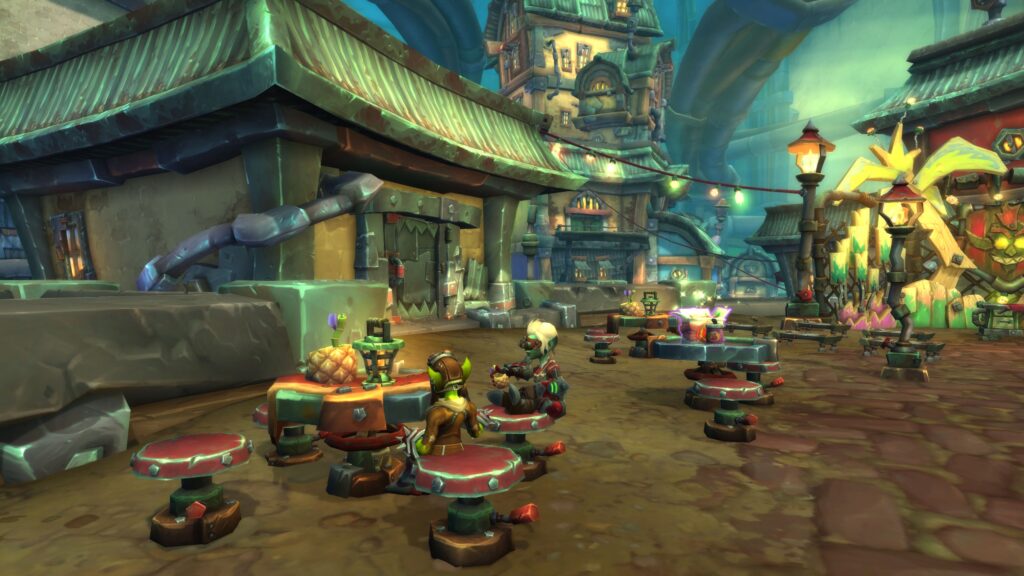
Guilds, especially those focused on high-end content like raiding or Mythic+ dungeons, often have a power structure in place. This structure can easily lead to tension, especially when it comes to leadership and loot distribution. Whether it’s a guild leader making controversial decisions or disagreements over loot allocation, these power struggles are one of the most common causes of guild drama. The competition for leadership and resources is almost inevitable in any organized group, and WoW guilds are no exception.
Why Leadership and Loot Cause Conflict
- Competition for Power – Guilds are often led by a small group of individuals, which can result in power struggles, especially when multiple players want control.
- Loot Drama – Loot distribution, especially in high-end content, is a frequent source of drama, as players often disagree on what’s fair and who should get priority.
4. The Anonymity of the Internet
One of the biggest factors contributing to guild drama in WoW is the anonymity that comes with playing online. In real life, people often have to be more careful with their words and actions, but online, the lack of immediate consequences can lead to more aggressive behavior. Guilds can quickly turn from friendly communities to hostile environments when players feel they can say or do whatever they want without repercussions. This anonymity allows drama to escalate quickly, making it harder for guilds to resolve conflicts.
Why the Internet Amplifies Drama
- Lack of Face-to-Face Interaction – Without face-to-face interaction, people are more likely to act out, leading to more dramatic conflicts.
- Online Personas – Players can hide behind their screens, which can encourage more extreme behavior or more heated arguments than they might have in person.
5. The Role of Drama in Community Building
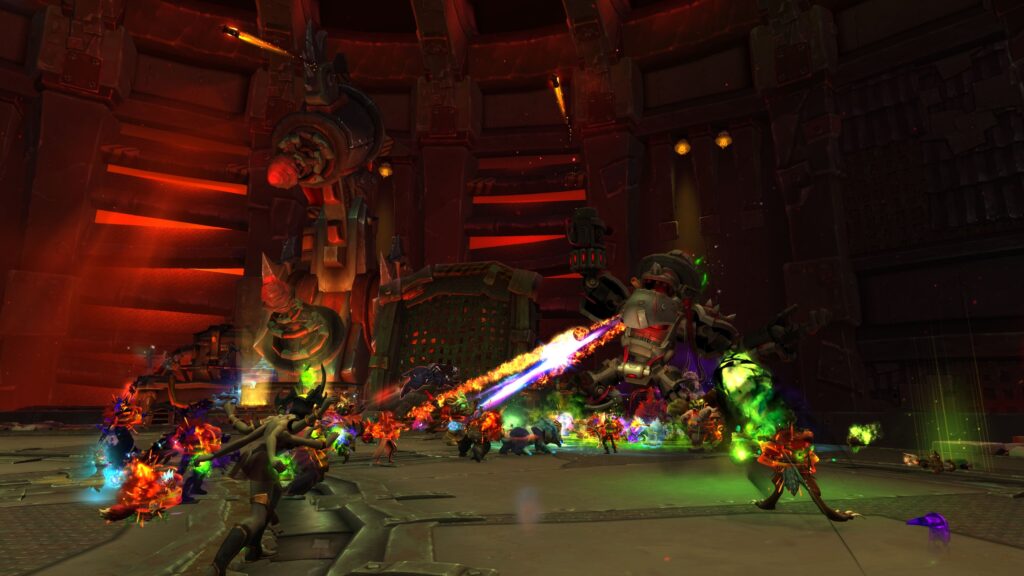
While guild drama may seem like a negative aspect of the game, it can actually contribute to community building. Drama can foster stronger bonds between players when handled correctly. For example, overcoming a significant guild conflict or recovering from a leadership change can strengthen the group and provide a sense of unity. Guilds that weather drama together may emerge as more tight-knit and resilient, with players forming stronger friendships as a result.
Why Drama Isn’t Always a Bad Thing
- Forging Stronger Bonds – Navigating drama together can bring players closer, forming stronger friendships and a sense of loyalty.
- Growth and Resolution – The process of resolving drama can lead to personal growth and a more resilient community that can face future challenges together.
6. Conclusion: Guild Drama Is Here to Stay
Guild drama is a timeless and inevitable part of World of Warcraft. Whether it’s rooted in leadership struggles, loot conflicts, or personal clashes, drama will always find a way to arise within guilds. However, while it may be frustrating at times, it is also an essential part of the WoW experience. Embracing the drama, learning from it, and overcoming it can help guilds grow stronger and forge deeper connections. In the end, guild drama is just another facet of the game’s social environment that keeps things dynamic and ever-changing.
Home